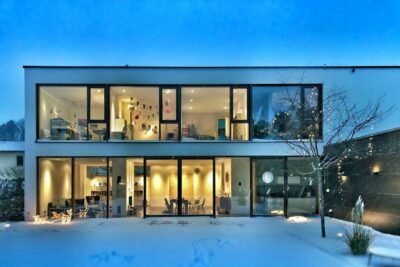
The Ultimate Room-by-Room Lighting Guide (for Indian Homes)

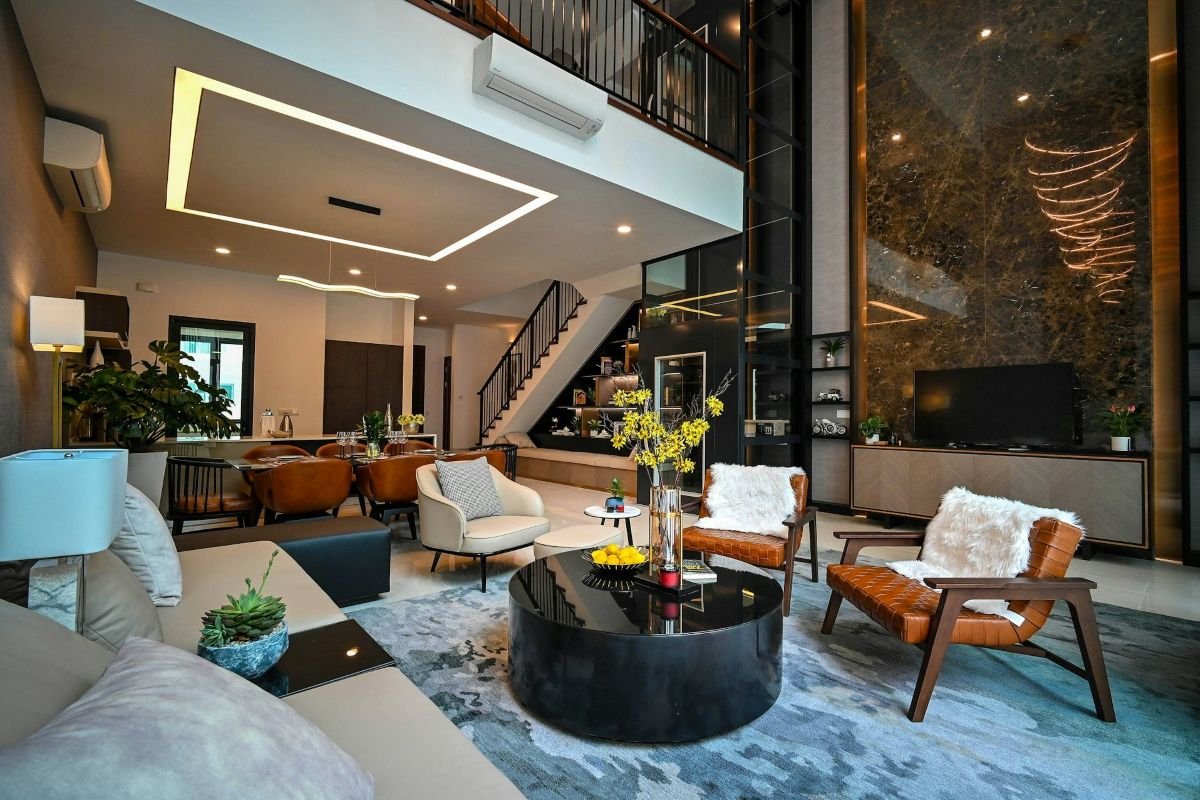
Lighting is not one-size-fits-all—each room in your home has different activities, moods, and safety needs, so it deserves its own lighting strategy. When you plan room-by-room instead of relying on a few generic ceiling lights, you get spaces that look better, feel more comfortable, and actually support how you live every day.
In our earlier article, “The Complete Beginner’s Guide to Home Lighting,” we covered the fundamentals: lumens vs watts, color temperature (Kelvin), and the three layers of light—ambient, task, and accent. This guide builds on that foundation and shows you exactly how to apply those principles in every major room of a typical Indian home.
In this Room-by-Room Lighting Guide, we’ll walk through recommended brightness ranges, ideal color temperatures, and fixture ideas for the living room, kitchen, bedroom, bathroom, dining room, home office, hallways & entryway, and outdoor/garden areas. Wherever possible, we’ve drawn from Indian and international guidelines on lux levels, lumen-per-square-foot targets, and appropriate color temperatures for each space.
1. Living Room
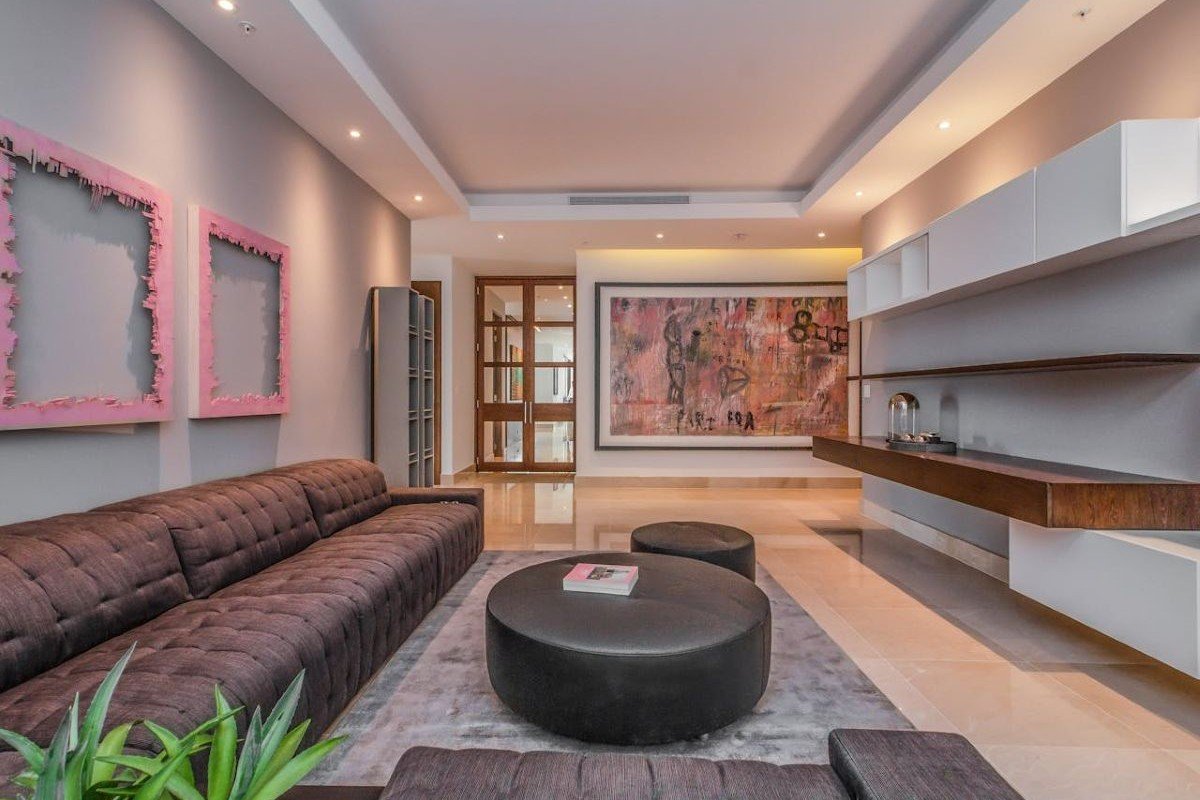
The living room is your main social and relaxation hub, so lighting needs to be flexible enough for chatting with guests, watching TV, reading, and even occasional work or hobbies. The key is to create a welcoming base level of light and then layer in focused and decorative sources you can switch on and off as needed.
Goals and mood
Most Indian lighting planners recommend around 150–300 lux of general illumination for living rooms, which roughly corresponds to 10–20 lumens per square foot in typical homes. This keeps the space bright enough for day-to-day activities without feeling like an office or hospital. For mood, aim for warm to warm‑neutral light—around 2700K–3000K for cozy evenings, up to 3500K–4000K if you prefer a slightly crisper, modern feel.
Warm white light in this range flatters skin tones, soft furnishings, and wall colors, and it naturally signals your body to wind down in the evening. If your living and dining are combined, keeping them both in the 2700K–3000K range creates a unified, inviting ambience.
Fixture types and layout
Think in three layers:
In Indian apartments, you’ll often have a ceiling fan in the center of the room—consider using recessed downlights or edge‑lit panels around the fan instead of a bulky central chandelier if ceiling height is limited. If you do choose a statement chandelier, scale it to the room size and keep the total lumen output within that 150–300 lux band for comfort.
Practical tips
2. Kitchen
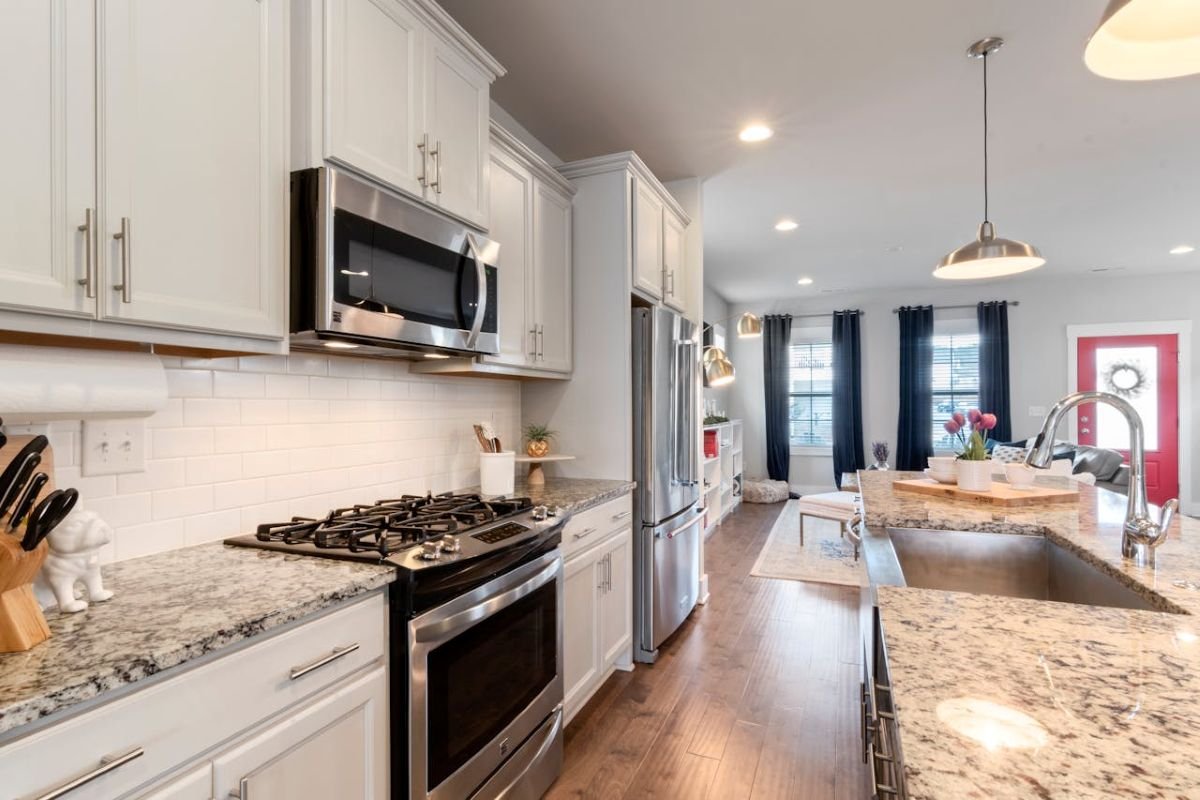
The kitchen is a high‑task zone where you chop, cook, read labels, and clean, so you need significantly more light and clarity than in your living room. At the same time, today’s open‑plan homes often combine living and kitchen areas, so you’ll want a scheme that is bright and functional without clashing visually.
Brightness and clarity
Most recommendations suggest 300–500 lux for kitchens—roughly 20–40 lumens per square foot—to keep worktops safe and easy to work on. Because you’re dealing with knives, hot oil, and precise cooking tasks, erring slightly on the brighter side is usually a good idea.
For color temperature, neutral to cool‑neutral white (around 3500K–4000K) is ideal, as it makes food and ingredients look accurate while helping you stay alert. This range is widely recommended for kitchens and other task‑focused spaces like bathrooms and work areas.
Layering and fixture placement
When planning, imagine yourself standing at the counter: the light should fall in front of you, not from behind where your body casts a shadow on the worktop. In small Indian kitchens, combining a bright ceiling panel with under‑cabinet task lighting often gives the best balance of clarity and energy efficiency.
3. Bedroom
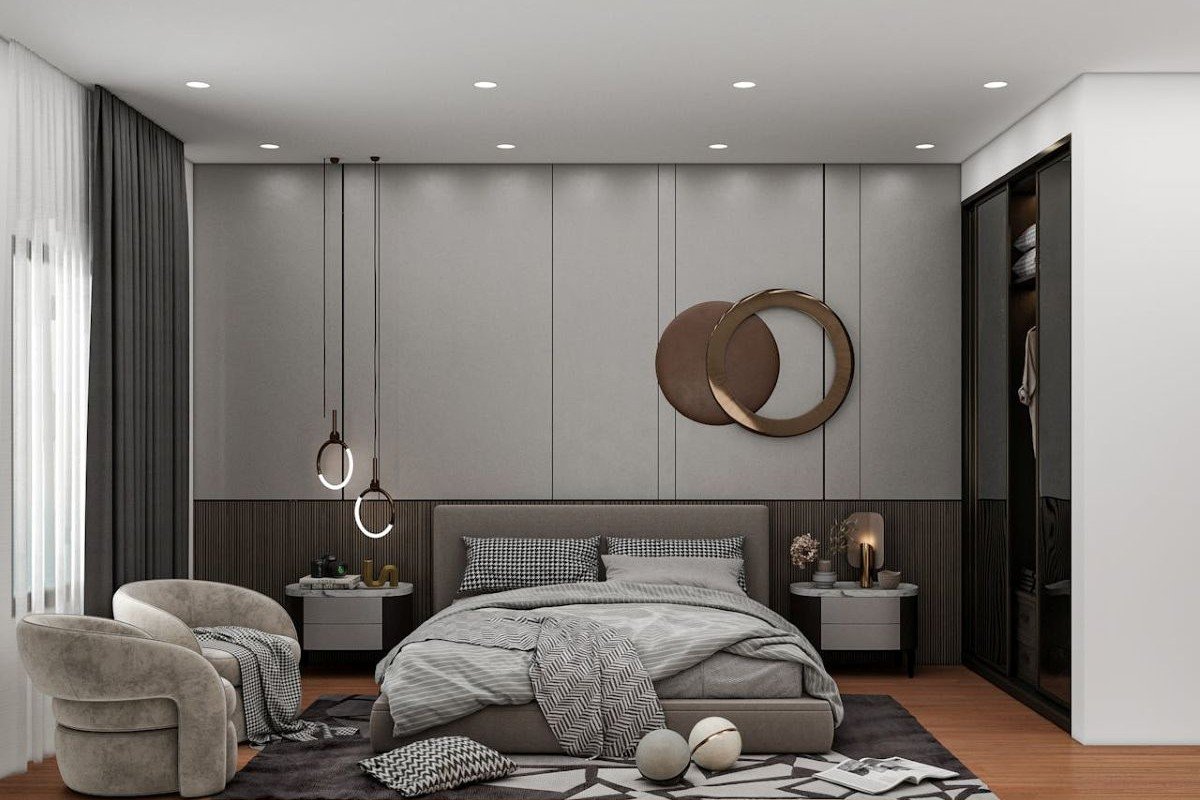
The bedroom should help you switch off, sleep better, and wake up gently—it is more about comfort and calm than raw brightness. You still need functional light for reading, dressing, and wardrobes, but the overall scheme should be softer than in your living room or kitchen.
Mood and comfort
For general illumination, 100–150 lux is usually sufficient, roughly 10–20 lumens per square foot, similar to the lower end of a living room. The more important factor is color temperature: most experts recommend warmer light in the 2200K–2700K range for bedrooms to promote relaxation and better sleep.
Warm white light mimics the golden tones of evening and candlelight, which supports melatonin production and tells your body it’s time to wind down. Cooler light late at night, on the other hand, can make it harder to fall asleep and leave you feeling restless.
Fixtures and layering
Try to separate bedroom lighting into at least two or three circuits (for example: ceiling, bedside, and wardrobe) so you can leave only the softest lights on at night. If your bedroom doubles as a mini home office, keep the work area’s light neutral (around 4000K) but ensure you can switch it off independently when it’s time to rest.
4. Bathroom
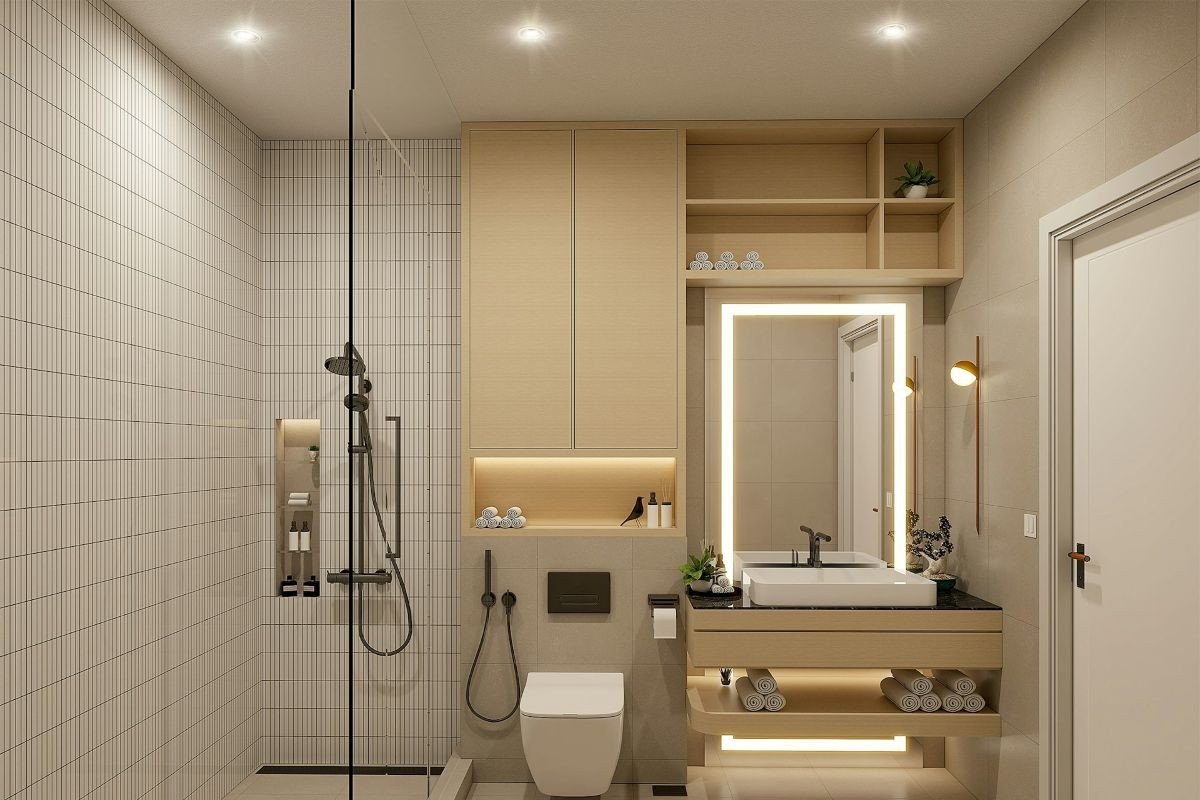
Bathrooms combine tasks (shaving, makeup, grooming) with safety concerns (wet floors, steam, and mirrors), so lighting needs to be bright, clear, and carefully placed. In Indian homes, bathrooms are often compact, which makes glare and shadows around the mirror a common problem.
Brightness and colour temperature
Most guidance suggests 150–300 lux as a suitable range for bathrooms, similar to the living room but with a stronger focus on clarity at the mirror. For color temperature, neutral white around 3500K–4000K is ideal—it gives natural skin tones and helps with tasks like shaving and makeup without being uncomfortably cold.
Cooler light in this band also cuts through steam more effectively and makes surfaces easier to inspect for cleanliness. However, going too blue (above 5000K) can make faces look washed out and make the room feel clinical.
Fixture selection and safety
Where space allows, a separate low‑level night light outside or just inside the bathroom can prevent you from switching on very bright lights during late‑night visits, which can otherwise wake you up fully. Always ensure electrical work in bathrooms respects local safety codes regarding distance from water sources and the types of fittings used.
5. Dining Room
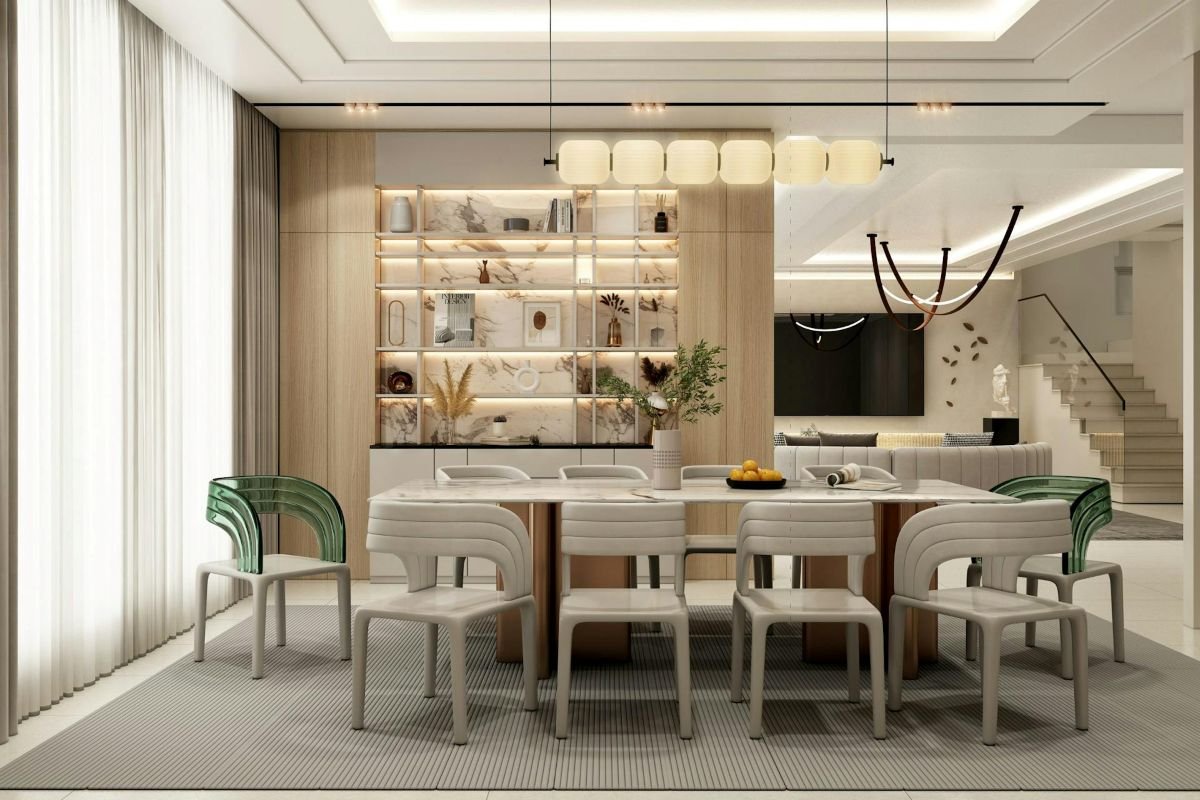
The dining area is where you entertain guests, celebrate festivals, and connect with family, so lighting should feel warm, flattering, and slightly more dramatic than your everyday living room scheme. At the same time, you want enough clarity to see food and table settings comfortably.
Ambience and light levels
Dining spaces typically target brightness similar to or slightly below the living room, often around 150–250 lux or 10–20 lumens per square foot, depending on whether the area is standalone or part of a larger living‑dining layout. For color temperature, warm white (2700K–3000K) is widely recommended to make food look appetizing and create an inviting atmosphere.
Warm tones smooth out skin imperfections and add richness to wood finishes, fabrics, and metallic accents on your tableware. If your dining table shares space with a bright kitchen, maintaining a warm contrast here helps visually separate the “work” and “relaxation” zones.
Fixture ideas
Avoid using very cool‑white fixtures in dining areas; they can make food look less appealing and create a cafeteria vibe rather than a restaurant‑like ambience.
6. Home Office
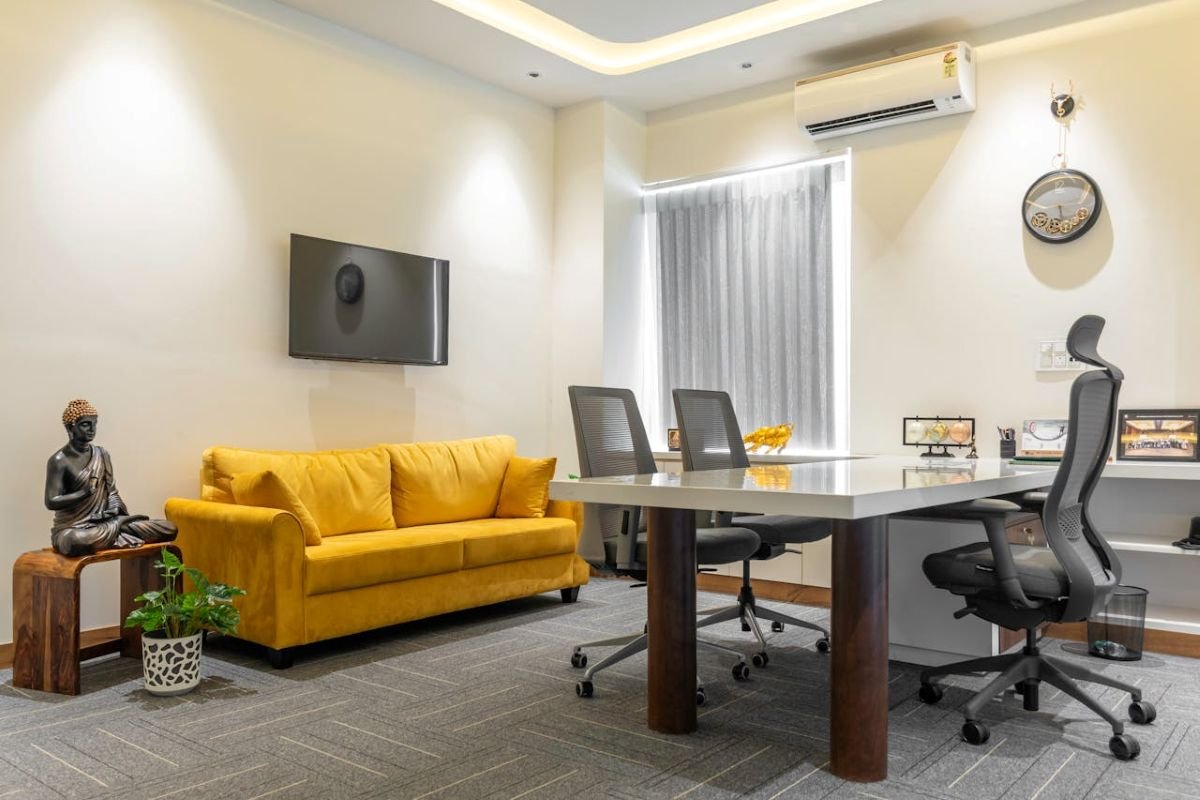
Whether it’s a dedicated study or a work corner in your bedroom, home‑office lighting should keep you focused, reduce eye strain, and render documents and screen content clearly. With hybrid and remote work now common across India, getting this zone right has a direct impact on comfort and productivity.
Visual comfort and performance
Study and office areas typically aim for 400–700 lumens per square meter (roughly 40–50 lumens per square foot) to provide sufficient brightness for reading and detailed tasks. For color temperature, neutral to cool‑neutral light in the 4000K–5000K range is widely recommended to support alertness and accurate color perception.
This range keeps whites crisp and text sharp without the harsh, bluish cast of very high‑Kelvin “daylight” lamps. Many lighting experts suggest pairing this with a secondary warmer lamp you can switch on in the evening to transition towards relaxation after work.
Layering and placement
If your home office shares space with a bedroom or living room, keep the work light on a separate switch so you can “turn off work” visually when the day ends, even if you don’t leave the room.
7. Hallways & Entryway
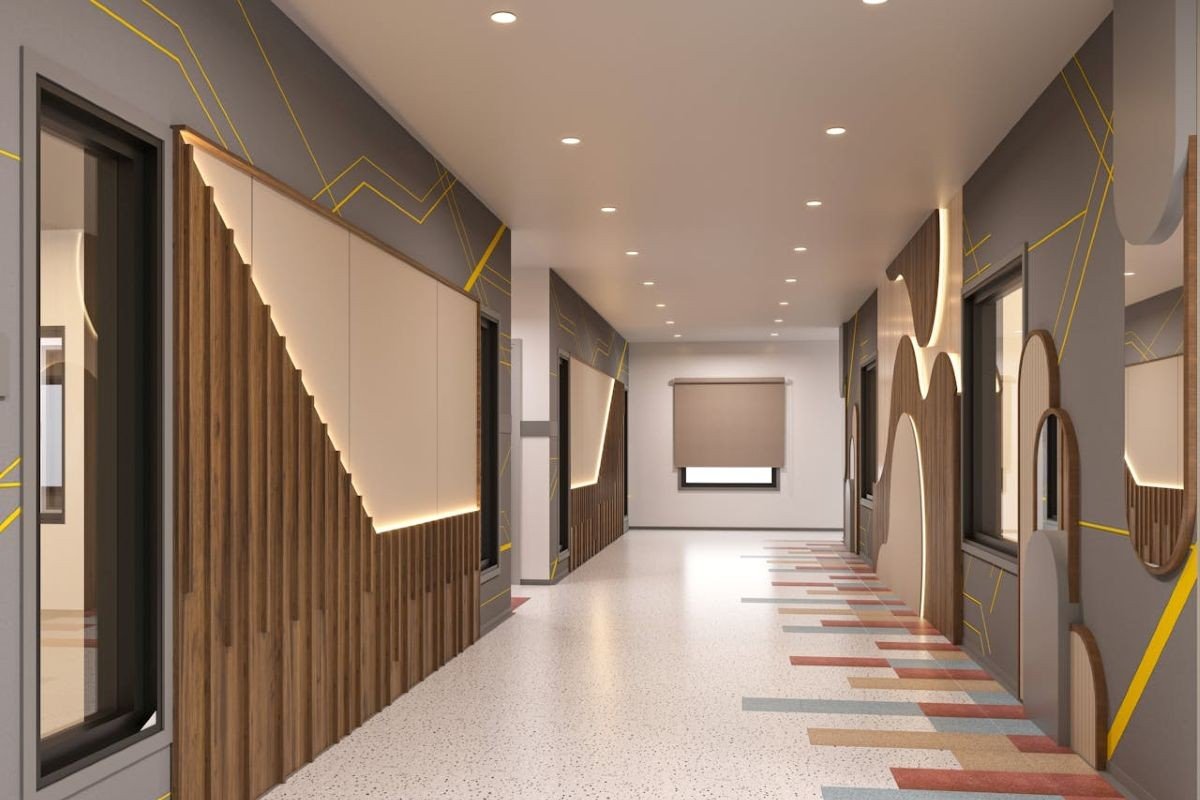
Hallways and entry areas may not be where you spend the most time, but they strongly influence your home’s first impression and everyday safety. Good lighting here makes movement safe at night and sets the tone for the rooms that follow.
Brightness and color
Corridors often work well at about 100 lux or a little more, enough to see clearly without wasting energy. For color temperature, around 3000K (warm white to warm‑neutral) typically feels both welcoming and practical, sitting comfortably between very warm living spaces and cooler task zones.
Entrance foyers benefit from slightly higher brightness and a warm, inviting tone, especially if they open directly to the living room. This makes it easier to locate keys, footwear, and bags while giving guests a positive first impression.
Fixture choices
Because hallways often connect spaces with different color temperatures, using a mid‑range tone (around 3000K) helps transition smoothly between warm living areas and cooler kitchens or workspaces.
8. Outdoor / Garden
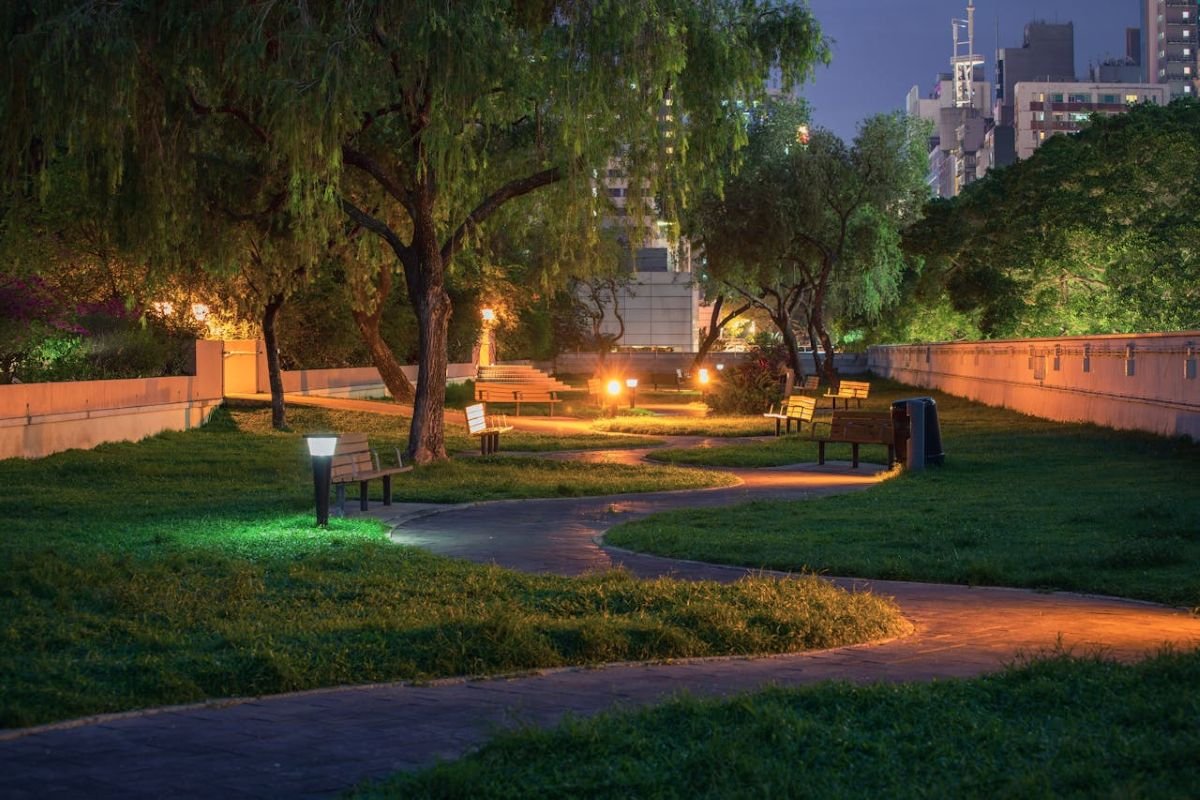
Outdoor lighting in Indian homes has to handle rain, dust, and high temperatures while providing security, safety, and ambience for balconies, terraces, driveways, and gardens. Done well, it can make even a compact balcony feel like an extension of your living room in the evenings.
Brightness and safety
Guides often suggest around 200–300 lumens per square meter for general outdoor areas, adjusted based on how you use the space. Functional zones like entrances, steps, and parking spots need enough light to clearly see obstacles and movement, while seating areas can be softer.
For color temperature, 3000K–4000K works best for most outdoor residential applications, balancing friendliness and security. Warmer 3000K light feels cozy and inviting on balconies and patios, while slightly cooler 4000K can be useful for gates and driveways where you want clearer visibility.
Fixture types and placement
Try to avoid very cool, bluish light outdoors; it can make surfaces look flat and harsh and may disturb neighbors. Warmer or neutral tones create a more premium, resort‑like feel even in small Indian balconies and terraces.
9. Quick Room‑by‑Room Lighting Reference
Use this table as a starting point for planning, then fine‑tune based on your exact room sizes, finishes, and preferences.
| Room / Area | Typical Brightness Target* | Recommended Colour Temp (Kelvin) | Key Fixture Types (Examples) |
|---|---|---|---|
| Living Room | 150–300 lux; ≈10–20 lumens/sq ft | 2700K–3000K warm; up to 3500K–4000K neutral | Recessed/panel lights, floor & table lamps, sconces, cove lighting |
| Kitchen | 300–500 lux; ≈20–40 lumens/sq ft | 3500K–4000K neutral white | Ceiling panels, downlights, under‑cabinet task lights, island pendants |
| Bedroom | 100–150 lux; ≈10–20 lumens/sq ft | 2200K–2700K warm for ambience; 3000K–3500K near wardrobes | Ceiling light on dimmer, bedside lamps, wall lights, wardrobe/vanity lights |
| Bathroom | 150–300 lux | 3500K–4000K neutral white | Ceiling downlight/panel, mirror sconces/vanity light, IP‑rated shower lights |
| Dining Room | 150–250 lux; ≈10–20 lumens/sq ft | 2700K–3000K warm | Pendant or chandelier over table, wall sconces, supplementary ceiling lights |
| Home Office/Study | 400–700 lm/m²; ≈40–50 lumens/sq ft | 4000K–5000K neutral to cool‑neutral | Ceiling light, adjustable desk lamp, optional wall light for background |
| Hallways & Entry | Around 100 lux or slightly higher | ≈3000K warm‑neutral | Flush/semi‑flush ceiling lights, wall sconces, stair/handrail lighting |
| Outdoor / Garden | ≈200–300 lm/m² (varies by use) | 3000K–4000K warm to neutral white | Outdoor‑rated wall lights, bollards, step lights, landscape spotlights |
*Values are general guidelines; adjust for dark surfaces, very high ceilings, or specific tasks.
10. Conclusion and Next Steps
Planning lighting room‑by‑room lets you support the real activities in each space, from chopping vegetables safely to relaxing with family or powering through a late‑night work session. By combining the right brightness, color temperature, and mix of fixtures, you can transform an ordinary flat or independent house into a home that feels both beautiful and practical.
If you’re new to concepts like lumens, lux, and Kelvin, start with “The Complete Beginner’s Guide to Home Lighting” and then return to this guide to map those principles onto each room in your home. When you’re ready to put your plan into action, explore the curated room‑specific collections on LightsArena.com—organized by room type, style, and finish—so you can confidently choose fixtures that match both this technical guidance and your personal taste.